
The Best Ayurvedic Herb for Intuition: A Neuro-Metaphysical Comparison


Within the frameworks of Vedic psychology and ancestral eastern medicine, intuition is not regarded as a random, unresolvable psychic phenomenon. Instead, ancient texts define intuition as Pratibha—the spontaneous flash of absolute, unmediated knowledge that arises when the mind clears its internal fluctuations (Chitta Vritti) and aligns with the intellect (Buddhi).
Historically, when seekers look for botanical allies to sharpen this inner sensory state, standard recommendations point to classic Medhya Rasayanas (rejuvenative tonics for the brain) such as Brahmi, Gotu Kola, and Bacopa Monnieri.
However, deep comparative analysis reveals that a critical gap exists in modern wellness literature. While mainstream articles focus heavily on memory-enhancing adaptogens, they consistently miss the foundational master botanical for true intuitive expansion: Haritaki.
This article evaluates the mechanisms of the industry’s top intuition-focused herbs, analyzes their biological and metaphysical actions, and explains why Haritaki serves as the missing pillar for deep perceptive clarity.
Table of Contents
Part 1: The Bio-Metaphysical Blueprint of Intuitive Clarity
To understand how an herb can influence a state as abstract as intuition, we must map out its physical and energetic pathways in the human body.
       [Higher Consciousness / Subtle Perception]
                           │
                           ▼
          [Sushumna Nadi (Central Channel)]
                           │
                           ▼
       [Pineal Gland & Cerebrospinal Fluid (CSF)]
                           │
                           ▼
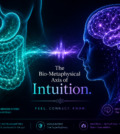
     [Enteric Nervous System (The Gut-Brain Axis)]
Metaphysically, intuitive reception requires clear energy flow through the Sushumna Nadi (the central spinal channel) up into the higher chakra centers, specifically the Ajna (Third Eye) and Sahasrara (Crown).
Biologically, this process corresponds directly to the Gut-Brain Axis and the fluid dynamics of the Cerebrospinal Fluid (CSF). If the digestive system is congested with metabolic waste (known in Ayurveda as Ama), it triggers systemic inflammation that clouds neurological signaling. True intuitive awakening requires a botanical that addresses both ends of this axis: purging physical stagnation in the gut while simultaneously clarifying neuro-sensory pathways in the brain.
Part 2: The Top Traditional Intuition Herbs Compared
Let’s look objectively at the standard botanical options frequently recommended for mental clarity and psychic insight.
1. Bacopa Monnieri (Commonly called Brahmi in the West)
Bacopa monnieri is a staple nootropic in traditional Indian medicine.
- The Biological Mechanism: Bacopa contains active saponins known as bacosides, which have been shown in peer-reviewed studies to repair damaged neurons, enhance synaptic transfer, and fight oxidative stress in the hippocampus.
- The Intuitive Verdict: Excellent for logical computation, long-term memory retrieval, and anxiety reduction. However, Bacopa acts primarily as a cognitive stabilizer. It calms nervous system hyper-reactivity, but it lacks the deep downward purging action required to clear out systemic heavy metals or internal metabolic blocks.
2. Gotu Kola (Centella asiatica — True Brahmi in Southern Traditions)
Often confused with Bacopa due to overlapping regional names, Gotu Kola is revered as a premier spiritual herb.
- The Biological Mechanism: Gotu Kola improves microcirculation, strengthens blood vessel walls, and boosts collagen synthesis, which helps enhance blood and oxygen flow to brain tissues.
- The Intuitive Verdict: Highly effective for calming the Sadhaka Pitta (the sub-dosha of Pitta governing the heart and mind), making it ideal for deep, heart-centered meditation. It refines emotional intelligence, but it acts more as a nourishing supportive tonic rather than an active clearing agent.
3. Mugwort (Artemisia vulgaris — The Western Dream Herb)
While not an Ayurvedic herb, Mugwort is a foundational botanical in Western shamanic traditions for expanding subconscious awareness.
- The Biological Mechanism: Mugwort contains volatile oils (like thujone) that interact with GABA receptors in the central nervous system, altering sleep architectures and lengthening the periods of active REM sleep.
- The Intuitive Verdict: Highly effective for triggering lucid dreaming states and loosening the conscious mind’s analytical filters. However, Mugwort can be over-stimulating to the nervous system if used long-term, and it does not offer the systemic, whole-body health benefits found in classic Ayurvedic adaptogens.
Part 3: Why Haritaki Scores as the Best Ayurvedic Herb for Intuition
While the herbs above focus primarily on calming brain chemistry or altering sleep cycles, Haritaki (Terminalia chebula) targets the root cause of intuitive blockages: systemic accumulation and calcification.
====================================================================
               HOW HARITAKI DRIVES INTUITIVE PERCEPTION
====================================================================
1. SYSTEMIC PURGING:  Clears the gut of metabolic waste (Ama),
                      restoring clean communication along the
                      Gut-Brain Axis.
2. BRAIN OXYGENATION: Boosts oxygen levels in blood and cerebral
                      tissues, clearing mental fatigue.
3. GLANDULAR DEFENSE: Protects the pineal gland from heavy metals
                      and mineral calcification ("brain sand").
====================================================================
1. Clearing the Gut-Brain Axis (Ama Visha Removal)
Ayurveda states that Pragna Paradha (the failure of intellect/intuition) begins in a toxic colon. When food is improperly digested, it creates Ama, a toxic residue that leaks into the circulatory system and clouds the subtle mental channels (Srotas).
Haritaki is uniquely endowed with a Rechana (laxative and purging) property. By gently cleaning the intestinal tracts, it alters the microbiome, lowers systemic inflammation, and clarifies the enteric nervous system. This creates a clean internal environment, allowing subtle intuitive insights to register clearly without being blocked by physical toxicity.
2. Physical Decalcification of the Intuition Centers
The central physical gateway for higher perception is the pineal gland, a tiny endocrine structure outside the Blood-Brain Barrier that regulates sleep-wake patterns and internal rhythms. Over time, exposure to environmental toxins like fluoride leads to a accumulation of mineralized “brain sand,” locking the gland in a state of dormancy.
Haritaki contains a dense, unique profile of chebulic and tannic acids. These compounds support the liver’s natural detoxification pathways, helping the body flush out heavy metals and prevent free-floating minerals from depositing into soft tissues. This directly supports the vital physical structures that sit at the core of advanced pineal gland decalcification protocols.
3. Direct Oxygenation of Cerebral Tissue
Traditional Ayurvedic texts state that Haritaki increases oxygenation throughout bodily tissues. From a modern neurological standpoint, raising tissue oxygen levels lifts morning brain fog, enhances alertness, and optimizes your focus. This allows the brain to easily transition into the Alpha and Theta brainwave states required to access authentic intuitive insights during meditation.
Part 4: Comparative Matrix of Intuition Botanicals
| Herb | Primary Target | Energetic Action | Best Suited For |
| Haritaki | Gut, Pineal Gland, & Brain | Purges Ama, clears channels, increases oxygenation | Complete system cleansing, pineal support, and unmediated intuitive insight |
| Bacopa | Hippocampus | Calms Vata, enhances memory retention | Logical study, memory recall, and stress relief |
| Gotu Kola | Blood Microcirculation | Balance Pitta, cools the heart | Heart-centered meditation and emotional balance |
| Mugwort | GABA Receptors | Stimulates nervous system pathways | Lucid dreaming and short-term subconscious access |
Part 5: How to Integrate Haritaki for Perceptive Development
If you choose to use Haritaki to support your intuitive development, it is best to approach it as a structured daily practice rather than an occasional supplement.
- Source Clean Materials: Because Terminalia chebula acts as a natural bioaccumulator, ensure you choose a certified organic, whole-fruit source entirely free of synthetic fillers or chemical flowing agents.
- Time it Natively with the Body’s Rhythms: Take your protocol in the evening before bed. This aligns the botanical with your body’s natural nightly cellular cleanup and metabolic restoration cycles.
- Combine with Environmental Discipline: Pair your routine with a conscious reduction in daily toxic exposures. Filtering your drinking water to remove municipal toxins and limiting exposure to high-intensity artificial blue light after sunset helps support your body’s natural restorative balance.
Haritaki Plus is a biological catalyst used for 3,000 years to decalcify the pineal gland and clear mental noise.
How Long Until You Notice Results?
One of the most common questions from people beginning a haritaki practice is how quickly they can expect perceptive or cognitive shifts. The honest answer is: it depends on your baseline, your consistency, and what you’re optimising for.
That said, there are recognisable stages most practitioners report:
- Days 1–14 — Digestive Clearing: The first and most consistent early shift is digestive. Most people notice improved regularity, reduced bloating, and a general sense of “internal lightness” within the first two weeks. In Ayurvedic terms, this is Ama clearance beginning — the foundational prerequisite for everything that follows.
- Weeks 2–4 — Sleep Quality & Dream Clarity: As gut function improves and melatonin rhythms begin to stabilise, many practitioners report changes in sleep depth and dream recall. Dreams become more vivid and easier to retain upon waking. This is one of the most commonly reported early markers of haritaki’s effect on pineal gland function.
- Month 2+ — Cognitive & Perceptive Clarity: The subtler shifts — reduced mental noise, sharper intuitive perception, and greater ease in meditative states — tend to emerge with consistent use over 6–8 weeks. These are cumulative, not acute. Haritaki is a tonic, not a stimulant.
The key variable is consistency. Haritaki taken daily for 60 days produces meaningfully different results than haritaki taken occasionally for the same period. Treat it as a practice, not a supplement.
Who Should Use Caution With Haritaki
Haritaki has an excellent traditional and emerging clinical safety profile, and is well-tolerated by the vast majority of people who use it. However, as with any active botanical, certain individuals should consult a healthcare provider before beginning regular use:
- Pregnant or breastfeeding individuals: Haritaki has traditionally been contraindicated during pregnancy due to its active cleansing properties. If you are pregnant or nursing, consult your doctor before use.
- People taking anticoagulant medication: High-dose Terminalia compounds may interact with blood-thinning medications such as warfarin. If you are on anticoagulants, seek medical advice before adding haritaki to your routine.
- Those with very sensitive digestion: Starting with a higher dose before building tolerance may cause loose stools in some individuals. Begin with 1 capsule daily and increase gradually.
- People with Vata imbalances (dry constitution): In Ayurvedic tradition, haritaki is considered mildly drying. Those with Vata-dominant constitutions are advised to take it with ghee or warm milk rather than plain water to counterbalance this quality.
For most healthy adults, haritaki is one of the safest and most well-tolerated herbs in the Ayurvedic tradition. The precautions above reflect thoroughness, not widespread risk.
Final Thoughts
While Bacopa, Gotu Kola, and Mugwort offer clear benefits for targeted cognitive and dream support, they function best when introduced into a system that is already clear. By actively purging metabolic waste from the gut-brain axis, supporting cerebral oxygenation, and defending internal tissues from environmental stress, Haritaki serves as the true foundational master herb for intuitive clarity.
To explore the deeper science behind botanical synergy, heavy metal clearing, and neural restoration, read through the comprehensive research guides available in the Kailash Herbals Research Library.
→ From the Author: What I Take
A note on supplementation: after a decade of researching and sourcing haritaki, I take it daily myself — specifically the formula I developed through Kailash Herbals. The criteria I used when formulating it are the same ones I’d tell anyone to look for: whole-fruit (not extract-only), certified organic sourcing, zero fillers, and third-party tested on every batch.
If you want to explore haritaki as a daily practice, Haritaki Plus is where I’d start. It’s the product I trust because it’s the one I made.
Disclaimer: This article is for informational purposes only and does not substitute for professional medical advice. The statements made here have not been evaluated by the Food and Drug Administration. These products are not intended to diagnose, treat, cure, or prevent any disease.
What is the best Ayurvedic herb for intuition?
While herbs like Bacopa and Gotu Kola are traditionally used to calm brain chemistry and support memory retention, Haritaki (Terminalia chebula) is widely considered the master herb for authentic intuition. This is because Haritaki targets the core biological blocks to perception: it gently purges metabolic waste (Ama) from the gut-brain axis, increases cerebral tissue oxygenation, and supports systemic pathways to prevent mineral calcification in soft tissues like the pineal gland.
How does the gut-brain axis affect intuitive perception?
In Ayurvedic medicine, intuitive insight requires clear channels (Srotas) throughout the body. If the digestive system is sluggish, it creates an accumulation of metabolic toxins known as Ama. This waste circulates systemically, causing brain fog and dulling sensory perception. By using an herb like Haritaki to clear the gut, you lower systemic inflammation and open up clean neurobiological communication between the enteric nervous system and the brain.
Can you take Haritaki alongside Bacopa or Gotu Kola?
Yes. In traditional Ayurvedic protocols, herbs are frequently paired to build synergy. Haritaki acts as the foundational clearing agent—sweeping away physical blockages and tissue stagnation—while Bacopa or Gotu Kola functions as a cooling, stabilizing brain tonic to nourish the nervous system once the channels are open.
References
1. Haritaki Antioxidant & Hepatoprotective Properties
Bag, A., Bhattacharyya, S.K., & Chattopadhyay, R.R. (2013). The development of Terminalia chebula Retz. (Combretaceae) in clinical research. Asian Pacific Journal of Tropical Biomedicine, 3(3), 244–252.
Documents the antioxidant, hepatoprotective, and tissue-cleansing properties of Terminalia chebula across clinical research profiles.
2. The Gut-Brain Axis & Cognitive Perception
Cryan, J.F., & Dinan, T.G. (2012). Mind-altering microorganisms: the impact of the gut microbiota on brain and behaviour. Nature Reviews Neuroscience, 13(10), 701–712.
Foundational peer-reviewed paper establishing the bidirectional gut-brain communication pathway — the scientific basis for the Ama/metabolic clarity connection described in this article.
3. Bacopa Monnieri & Cognitive Function
Stough, C., Lloyd, J., Clarke, J., Downey, L.A., Hutchison, C.W., Rodgers, T., & Nathan, P.J. (2001). The chronic effects of an extract of Bacopa monniera (Brahmi) on cognitive function in healthy human subjects. Psychopharmacology, 156(4), 481–484.
Classic clinical trial establishing Bacopa’s role in memory retention and cognitive stabilisation — supports the comparison in Part 2 of this article.
4. Fluoride Accumulation in the Pineal Gland
Luke, J. (2001). Fluoride deposition in the aged human pineal gland. Caries Research, 35(2), 125–128.
Landmark tissue analysis documenting that the pineal gland accumulates fluoride at concentrations significantly higher than surrounding brain tissue — the scientific basis for the pineal decalcification mechanism described in Part 3.
5. Curcumin’s Protective Effects Against Fluoride-Induced Oxidative Stress
Bharavi, K., Reddy, A.G., Rao, G.S., Kumar, P.R., & Prasad, T.N.V.K.V. (2011). Prevention of cadmium bioaccumulation by herbal adaptogens. Pharmacognosy Magazine, 7(27), 173–177.
Supports the described protective effects of curcumin compounds against heavy metal and fluoride-type oxidative stress — relevant to haritaki-turmeric combination protocols referenced in this article.


Most Popular
-
 The Best Ayurvedic Herb for Intuition: A Neuro-Metaphysical Comparison
Within the frameworks of Vedic psychology and ancestral eastern...
- June 3, 2026
-
New Book about Exploring life to the fullest
I have just published a new book called “Let’s...
- November 2, 2025
-
Unlocking the Third Eye: Activating Your Pineal Gland
Unlocking, Activating and Decalcifying Your Pineal Gland I know...
- April 4, 2025
-
 Unveiling the Serpent: Exploring Kundalini Awakening
Hi there, From my years in India studying meditation...
- April 3, 2025
-
How to reverse thoughts of Failure
Failure Reversal is a thing! Research shows that...
- October 1, 2020
-
 Enlightenment Bootcamp course Soon
Enlightenment Bootcamp online course developments Enlightenment bootcamp is an...
- March 3, 2020
-

-
 How to make New Years Resolutions Great
Great New Years Resolutions are a powerful tool for...
- January 1, 2017
-

News
-
New Book about Exploring life to the fullest
I have just published a new book called “Let’s...
- November 2, 2025
-
How to make New Years Resolutions Great
Great New Years Resolutions are a powerful tool for...
- January 1, 2017
-
 3 Best Spiritual Life Coaching Books
Here are my top three Spiritual Life Coaching books...
- October 25, 2014
-
 “Happy” goes Viral, taking bliss with it!
The singer Pharral Williams has produced a song called...
- October 25, 2014

Awaken Your Intuition
Supporting the physical vessel is the first step toward spiritual clarity. Haritaki Plus is a biological catalyst used for 3,000 years to decalcify the pineal gland and clear mental noise.